What Are Crowns & Bridges?
When a tooth is severely damaged, decayed, or lost, everyday activities like chewing and speaking become unexpectedly difficult. Fortunately, modern restorative dentistry has reliable, long-lasting solutions — and dental crowns and bridges are among the most trusted of them all.
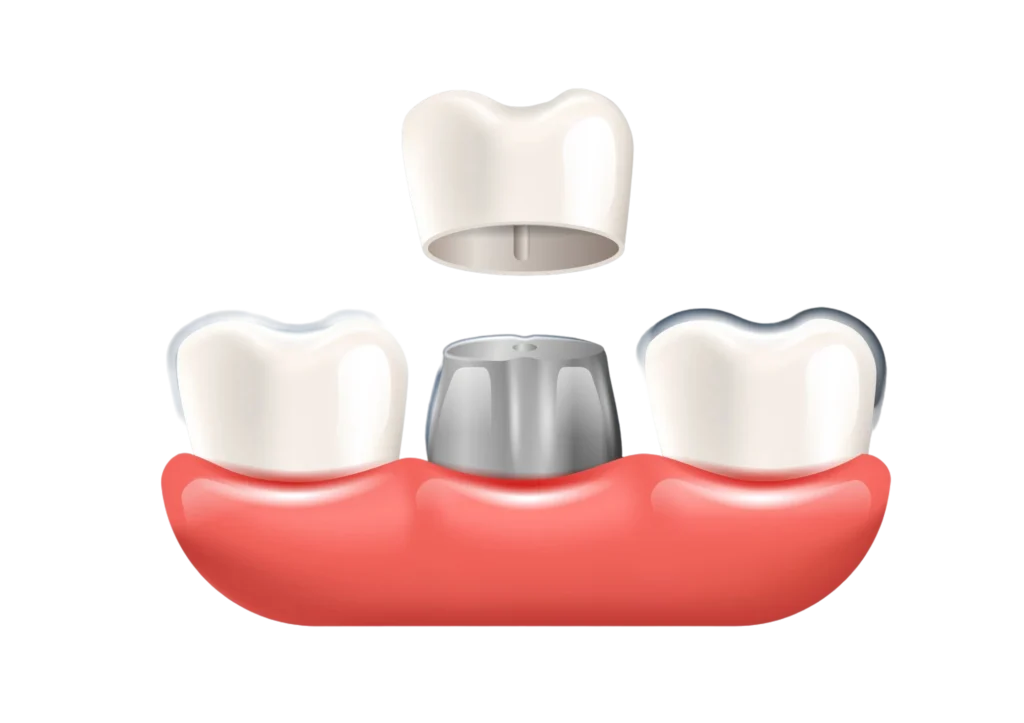
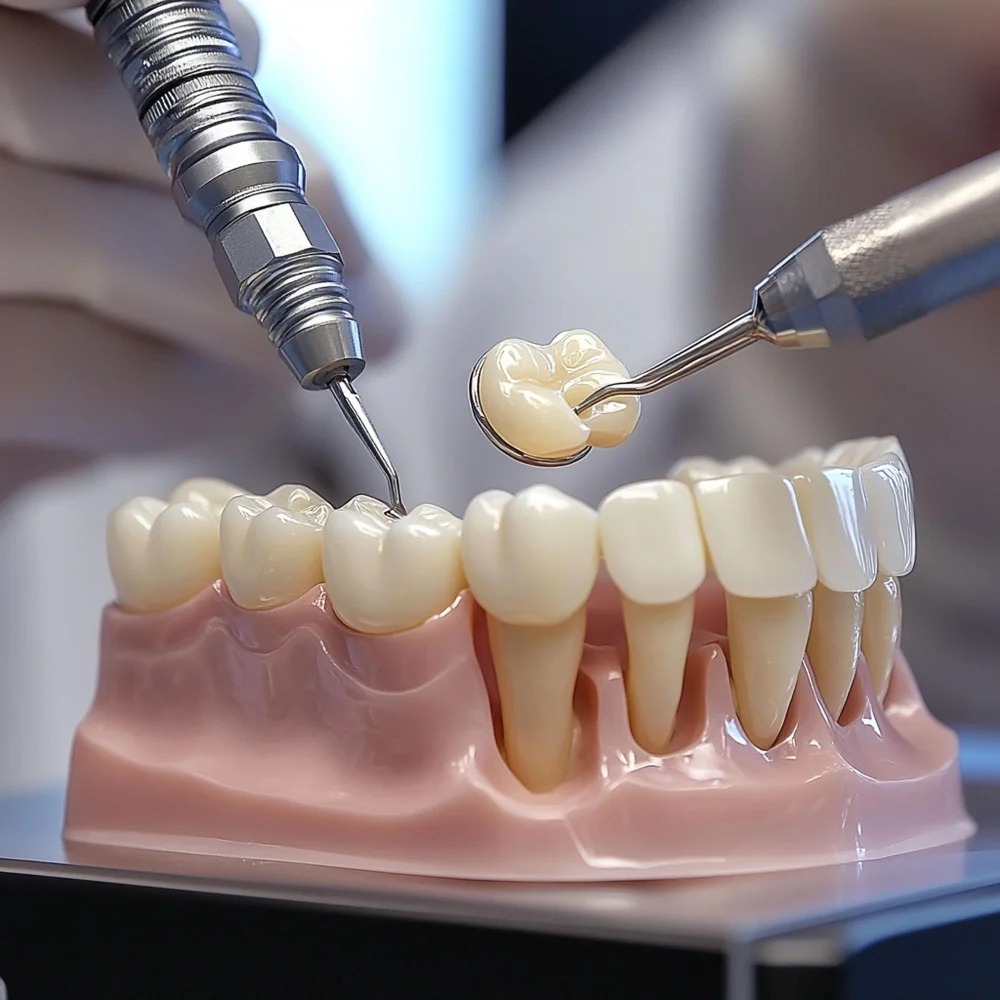
A dental crown is a precisely shaped cap that fits over a damaged or weakened tooth, restoring its original shape, strength, and appearance while shielding it from further harm. A dental bridge, on the other hand, literally bridges the gap left by one or more missing teeth, anchoring an artificial tooth between two neighbouring crowns to fill the space completely.
Together, these two treatments form the foundation of restorative dentistry — and at Twin Dent Clinic in Banashankari, they are delivered with precision, using high-quality materials and a careful eye for natural aesthetics.
Understanding the Difference
While crowns and bridges are often mentioned together, they solve different dental problems. Understanding the distinction helps you know exactly what to expect when your dentist makes a recommendation.
Crown Materials
While crowns and bridges are often mentioned together, they solve different dental problems. Understanding the distinction helps you know exactly what to expect when your dentist makes a recommendation.
Porcelain crowns are the most natural-looking option available. They mimic the translucency and colour of real enamel remarkably well, making them virtually indistinguishable from surrounding teeth. For this reason, they are the preferred choice for front teeth restorations where aesthetics matter most.
Ceramic crowns offer excellent aesthetic results alongside impressive biocompatibility — meaning they are well-tolerated by gum tissue and less likely to cause sensitivity. Moreover, they are completely metal-free, which makes them an ideal choice for patients with metal sensitivities or allergies.
PFM crowns combine the structural strength of a metal substructure with a porcelain outer layer that gives them a natural appearance. Consequently, they offer greater durability under heavier biting forces, making them a reliable choice for back teeth where chewing pressure is highest.
Why Patients Choose This Treatment
Beyond simply filling a gap or covering a damaged tooth, crowns and bridges deliver meaningful improvements to your oral health, comfort, and quality of life. Here is what patients consistently notice after treatment.
Damaged or missing teeth make chewing painful and inefficient. Crowns and bridges restore the full biting force of your tooth, allowing you to eat comfortably without avoiding certain foods.
A crown seals and shields a compromised tooth from bacteria, further fractures, and decay. Without this protection, a cracked or root-treated tooth is highly vulnerable to complete failure.
Modern porcelain and ceramic crowns closely replicate the colour, translucency, and shape of your natural teeth. Patients can smile, laugh, and speak confidently knowing their restoration is virtually undetectable.
When a tooth is lost, neighbouring and opposing teeth gradually migrate into the empty space. A bridge fills the gap immediately, preserving the alignment of the entire dental arch.
Missing teeth cause the jawbone beneath them to resorb over time, which can change the shape of your face. Bridges maintain the bone's functional load and help preserve your natural facial contours.
With proper care, a well-placed crown or bridge can last 10 to 15 years or longer. This makes it one of the most cost-effective restorative investments in your oral health over the long term.
Post-Treatment Care
The good news is that caring for dental crowns and bridges requires no special routine — just consistent oral hygiene habits that you should already be practising. That said, there are a few specific tips that will meaningfully extend the life of your restoration.
Above all, keeping the gum line around your crown or bridge clean is critical. Plaque that builds up at this junction can lead to gum disease and eventually loosen the restoration. In addition to regular brushing, flossing under the pontic of a bridge using floss threaders or interdental brushes is particularly important.
Finally, scheduling routine checkups every six months allows your dentist to monitor the condition of your restoration and address any early signs of wear or decay before they become bigger problems.

Brush twice daily with fluoride toothpaste

Floss daily — use a floss threader around bridges

Avoid biting extremely hard foods like ice or hard candy

Visit your dentist for checkups every 6 months

Use an antibacterial mouthwash to protect the gum line
Serving South Bangalore
Twin Dent Clinic is easily accessible from across South Bangalore. Whether you live in the heart of Banashankari or are commuting from a nearby neighbourhood, our clinic is designed to be a convenient choice for families and working professionals alike.
Why Twin Dent Clinic
Patients in Banashankari, JP Nagar, Giri Nagar, and surrounding areas choose Twin Dent Clinic not just for the quality of our restorations, but for the experience of the entire process — from consultation to aftercare.


Common Questions Answered
We know you have questions before committing to any dental procedure. Below are the questions we hear most often from patients in Banashankari, JP Nagar, and Giri Nagar — answered clearly and honestly.
We Are Here to Help.
Whether you need a crown to protect a damaged tooth or a bridge to replace a missing one, the team at Twin Dent Clinic in Banashankari is ready to guide you through every step — gently, precisely, and with a result that lasts.
WhatsApp us